
CALL US 24/7
(760) 420-0166
OPENING HOURS
Mon - Fr 9:00 am - 5:30 pm
ADDRESS
3760 Oceanic Way STE 501, Oceanside, CA 92056
22
Feb
Share

Comments Off on How Much Does a Metal Roof Cost in San Diego in 2026? Metal Roofing, Roofing Materials
How Much Does a Metal Roof Cost in San Diego in 2026?
A metal roof in San Diego is typically a premium roofing investment, so one of the first questions homeowners ask is how much it will actually cost in 2026. The honest answer is that metal roof pricing can vary quite a bit depending on the size of the roof, the type of metal you choose, the profile of the system, and the complexity of the installation. In San Diego, local factors such as coastal exposure, labor costs, permitting requirements, and the condition of the existing roof can also affect the final price.
While online averages can give you a rough starting point, they rarely tell the full story. This guide breaks down what San Diego homeowners should expect, what drives metal roofing costs up or down, and how to think about price in terms of long-term value rather than upfront cost alone.
What Is the Average Cost of a Metal Roof in San Diego?
In San Diego, homeowners can often expect a metal roof to cost roughly $7 to $16 per square foot for many standard residential projects, while premium systems such as standing seam, copper, or more complex installations can cost significantly more. This should be treated as a planning range rather than a universal quote, since metal roofing costs can vary widely based on the home, the roofing system, and the scope of work involved.
Roof size, material choice, panel style, installation difficulty, tear-off requirements, underlayment, and any needed deck repairs all influence the final price. A simple roof with easy access and a straightforward layout will usually cost less than a larger or more complex roof with multiple slopes, penetrations, or structural concerns. San Diego-specific factors such as coastal exposure, local labor costs, permitting, and long-term performance expectations can also affect pricing. The sections below break down these cost drivers in more detail so homeowners can better understand what shapes the final investment.
What Factors Affect Metal Roof Cost in San Diego?
Several variables influence the cost of a metal roof in San Diego, which is why two homes of similar size can still receive very different estimates. Below are some of the main factors that affect pricing.
Roof Size
One of the biggest cost drivers is the overall size of the roof. Larger roofs require more material, more labor, and more installation time. Because roofing is commonly priced by square footage, size has a direct impact on the total cost.
Type of Metal
The material itself also plays a major role in pricing. Steel, aluminum, copper, and zinc all come with different costs, lifespans, and performance benefits. Some options are more budget-friendly, while others are considered premium materials with a higher upfront investment.
Roof Profile and Style
The style of metal roofing system you choose can significantly affect price. Standing seam roofs are typically more expensive than exposed-fastener or corrugated systems because they require a more specialized installation. Metal shingles and tile-look metal roofs can also vary in cost depending on the design and level of detail involved.
Roof Complexity
Not all roofs are equally simple to install. Features such as steep slopes, valleys, dormers, skylights, chimneys, and other penetrations increase labor and detail work. In general, the more complex the roof layout, the higher the installation cost.
Tear-Off and Disposal
If the existing roof needs to be removed before the new metal roof can be installed, that will add labor and disposal costs. A project that includes tear-off is usually more expensive than one with a cleaner and more straightforward prep process.
Underlayment and Roof Deck Condition
The layers beneath the metal roof matter too. If the underlayment needs to be upgraded or the roof deck has damage, soft spots, or signs of deterioration, repairs may be needed before installation can move forward. These issues can increase the total project cost.
Finishes and Protective Coatings
Some metal roofing systems include upgraded finishes or coatings designed to improve durability, fade resistance, and corrosion protection. These options can raise the initial price, but they may also improve long-term performance.
Coastal Exposure
In San Diego, location matters. Homes closer to the coast may need more corrosion-resistant materials or finishes due to salt air and marine exposure. That can make the roofing system more expensive than a similar project farther inland.
Labor, Permitting, and Local Conditions
Labor costs, permitting requirements, and local building considerations can also influence pricing. Homeowners in San Diego are often investing in a long-term roofing system, so installation quality and compliance with local requirements are important parts of the overall cost.
 Cost by Metal Roof Type
 Cost by Metal Roof Type
Not all metal roofs are priced the same. In general, simpler exposed-fastener systems tend to cost less than more specialized concealed-fastener or architectural systems. For many San Diego-area homeowners, corrugated metal usually falls on the lower end of the pricing spectrum, metal shingles often land in the middle, and standing seam is typically one of the more premium options. These numbers should be viewed as general budgeting ranges, since final cost still depends on roof size, complexity, tear-off needs, underlayment, and material selection.
Standing Seam Metal Roof
 Standing seam is often considered a premium metal roofing option. In many cases, homeowners can expect this type of system to fall around $12 to $16 per square foot, with more complex or higher-end projects costing more. It typically comes at a higher price because it uses concealed fasteners, offers a clean modern appearance, and requires more specialized installation. Many homeowners choose standing seam for its durability, weather resistance, and long-term low-maintenance appeal.
Corrugated Metal Roof
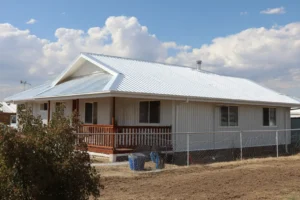 Corrugated metal roofing is often one of the more budget-friendly options. For many standard projects, it may fall around $6 to $10 per square foot, although the final price depends on the scope of work and the materials selected. Its exposed-fastener design can help keep upfront costs lower than more premium systems. While it may not offer the same sleek look as standing seam, it can still be a practical choice for homeowners who want the benefits of metal roofing at a lower initial investment.
Metal Shingles
 Metal shingles are usually positioned between corrugated panels and standing seam in terms of price. In many cases, homeowners can expect them to fall around $10 to $14 per square foot, depending on the product style, finish, and installation requirements. Metal shingles appeal to homeowners who want the durability and longevity of metal roofing while maintaining a more traditional residential appearance.
Tile-Look Metal Roofing
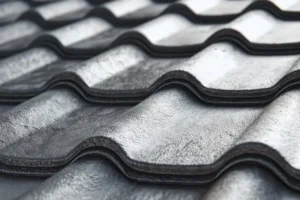 Tile-look metal roofing is often a mid-to-premium option, depending on the product design, finish, and installation complexity. It can be especially attractive in Southern California, where many homeowners like the appearance of tile but want a lighter-weight alternative with the performance benefits of metal. In many cases, it falls closer to other architectural or specialty metal systems than to basic exposed-fastener panels, but exact pricing depends heavily on the specific product and the home itself.
Because each metal roofing type comes with different cost considerations, the best option is not always the cheapest one upfront. Material performance, appearance, maintenance expectations, and how well the system fits the home all play a role in determining long-term value.
This version sounds much more natural for a contractor site. The one thing I’d still tighten further is whether you want to keep the per-square-foot ranges at all, or make them even softer.
Is a Metal Roof More Expensive Than Asphalt in San Diego?
In most cases, yes. A metal roof usually costs more upfront than an asphalt shingle roof in San Diego. The materials themselves are often more expensive, and installation typically requires more precision, more specialized labor, and in some cases more detailed trim and flashing work. For homeowners comparing estimates, that higher initial price can make metal roofing seem like the more expensive option.
However, upfront cost is only part of the equation. Metal roofing is often chosen because it can offer a longer lifespan, lower maintenance needs, and stronger long-term performance than many traditional roofing systems. For some homeowners, that makes the higher initial investment easier to justify, especially if they plan to stay in the home for many years. In a market like San Diego, where durability, energy efficiency, and long-term value matter, the better question is often not just which roof costs less today, but which one may offer better value over time.
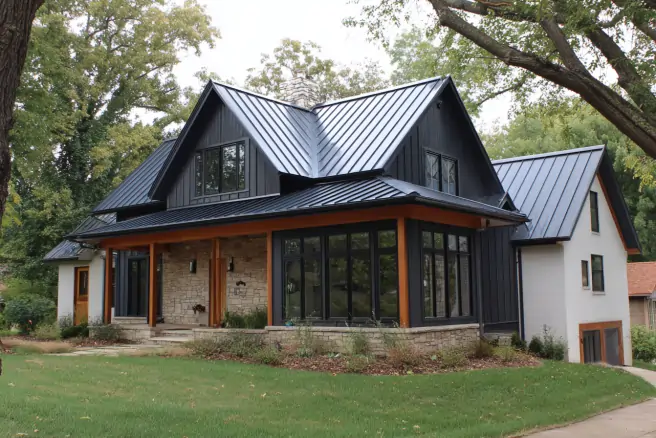
Is a Metal Roof Worth the Cost for San Diego Homeowners?
For many homeowners in San Diego, a metal roof can be well worth the higher upfront cost. While it typically requires a larger initial investment than more traditional roofing options, it can also offer important long-term advantages that make that investment easier to justify. Metal roofing is often chosen for its durability, longevity, and ability to hold up well in demanding conditions.
In San Diego, those benefits can be especially relevant. Homeowners have to think about intense sun exposure, heat, occasional high winds, and in some areas coastal air that can be tough on certain roofing materials. A well-installed metal roof can be a strong option for homeowners who want a system built for long-term performance rather than a lower-cost short-term solution.
It may also make sense for homeowners who want lower maintenance, improved energy efficiency, a modern appearance, or a roof that works well with future solar plans. While not every home or budget points to metal roofing as the right answer, many San Diego homeowners see it as a long-term investment in protection, performance, and value rather than just a higher roofing bill.
Hidden Costs Homeowners Should Ask About Before Choosing a Metal Roof
When comparing metal roofing estimates, it is important to look beyond the base price. Some quotes may appear lower at first, but they do not always include everything needed to complete the project properly. That is why homeowners should ask exactly what is included before making a decision.
One of the most common additional costs is tear-off and disposal if the existing roof has to be removed. Roof deck repairs can also affect the final price if damaged wood, soft spots, or moisture issues are discovered during the project. In some cases, underlayment upgrades, flashing replacements, or ventilation improvements may be recommended to help the new roof perform the way it should.
Homeowners should also ask about permits, warranty coverage, and whether cleanup and disposal are part of the proposal. A lower estimate is not always the better value if it leaves out key items that will later show up as extras. The goal is not just to find the cheapest number, but to understand the full scope of the investment.
How to Compare Metal Roofing Quotes in San Diego
When reviewing metal roofing estimates, it is important to compare more than just the final price. Two quotes can look similar at first glance but include very different materials, installation details, and levels of workmanship. A lower number does not always mean a better deal if important parts of the project are missing or downgraded.
Homeowners should look closely at what type of metal roofing system is being proposed, what underlayment is included, whether flashing and trim details are clearly outlined, and if tear-off, disposal, and any needed prep work are part of the price. It is also worth paying attention to warranty coverage and the contractor’s experience with metal roofing specifically, since installation quality plays a major role in long-term performance.
In a market like San Diego, local experience matters as well. Homes near the coast, homes with more complex rooflines, and homeowners planning for long-term value may need a more thoughtful roofing solution than a basic low-bid approach. The goal is to compare scope, quality, and fit for the home, not just the cheapest price on paper.
 When a Higher Metal Roof Price May Actually Save You Money
 When a Higher Metal Roof Price May Actually Save You Money
A higher metal roofing quote is not always a sign that the project is overpriced. In many cases, it reflects better materials, more complete preparation, and a higher standard of installation. Those factors can make a meaningful difference in how well the roof performs over time.
For example, a contractor who includes quality underlayment, proper flashing details, corrosion-resistant components, and a more experienced installation team may come in higher than a quote built around minimum specifications. While that increases the upfront cost, it can also reduce the risk of leaks, premature wear, avoidable repairs, and other issues that become expensive later.
That is especially important for homeowners in San Diego who are thinking long term. A metal roof is often chosen as a long-lasting system, so the value of the project depends not just on what it costs today, but on how well it holds up over the years. In that context, paying more for the right system and a better installation can sometimes be the smarter financial decision.
Get a San Diego Metal Roof Estimate Based on Your Home
Online pricing ranges can be helpful for early planning, but they can only go so far. The actual cost of a metal roof depends on the size of the home, the roofing system selected, the condition of the existing roof, and the details involved in the installation. That is why the most accurate way to understand pricing is to have the roof evaluated based on the property itself.
If you are considering a metal roof in San Diego, Gen819 Roofing & Solar can help you understand your options, explain the factors that affect cost, and provide a detailed estimate based on your home, goals, and budget. A project-specific quote gives you a much clearer picture than a generic online average ever can.
Recent Posts

How Much Does a Metal Roof Cost in San Diego in 2026?
22th Feb 2026


Attic Insulation Upgrades That Cut Cooling Costs
19th Oct 2025


